Iborfia
According to data from 2016, only ten residents called Iborfia home, making the Zala County village Hungary's smallest independent municipality. Inside the quiet boundaries of the community, life clung to only a fraction of its 22 houses, while the rest stood empty and ruined. The majority of the residents back then were retirees, while others supplemented their livelihoods through small-scale backyard farming and livestock breeding. Iborfia completely lacked basic infrastructure, with no kindergarten, school, medical clinic, post office, church, grocery shop, or even a local pub. For decades, the complete absence of public transport drove the village into deep isolation and depopulation: while it boasted a historical peak of 173 residents in 1941, the population had nearly vanished by 2016.
Today (2026), however, the village is experiencing a quiet revival, breaking free from its long-standing isolation. Thanks to newcomers seeking peace and tranquility, the population has since crept up to 14 residents. In a historic breakthrough for the community, Volánbusz introduced three daily scheduled bus routes, finally connecting the once-unreachable village to the regional transport network. Although there is still no traditional grocery store, recent road upgrades funded by the Hungarian Village Program, combined with the rise of online home deliveries, have fundamentally modernized daily life for this tiny community.
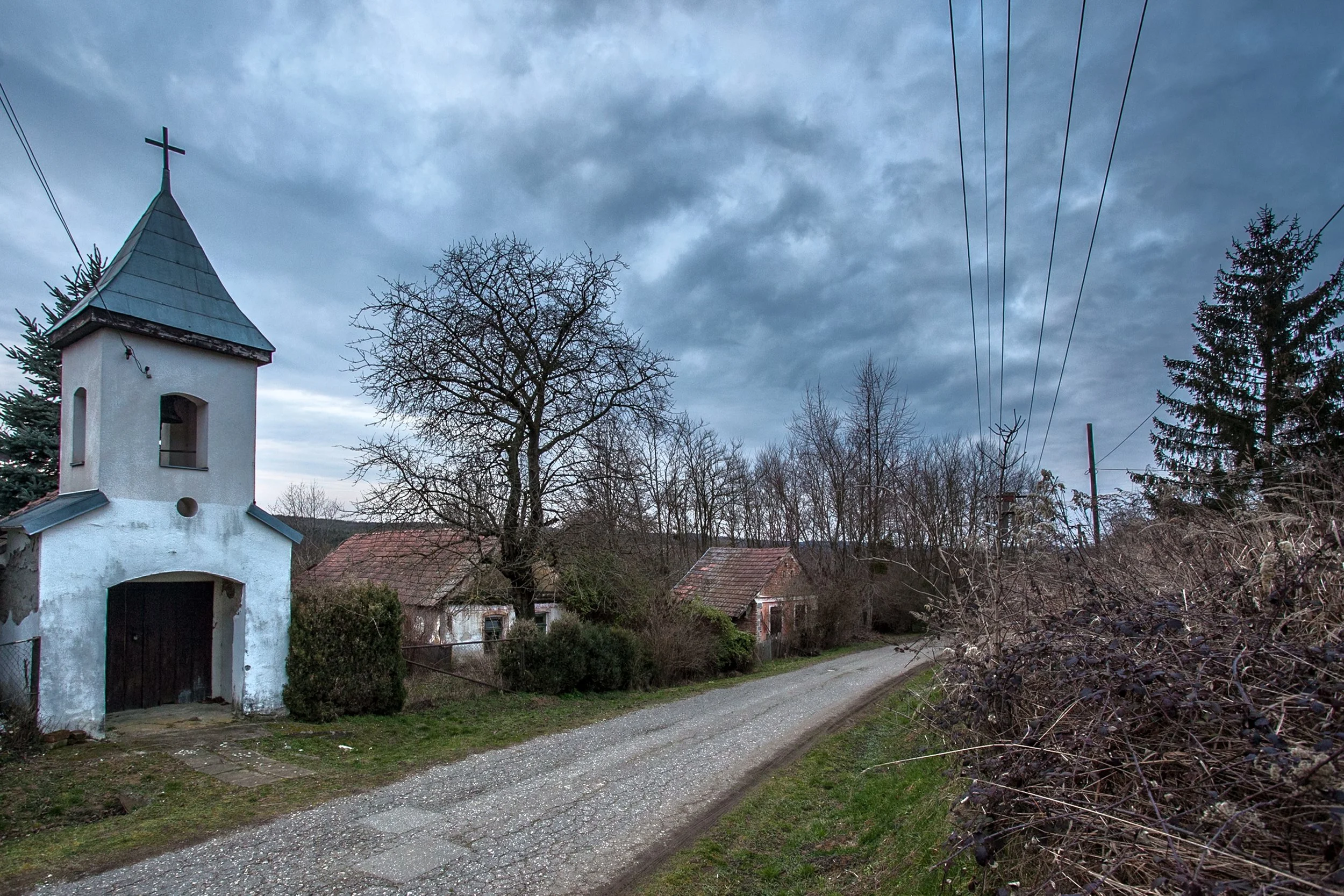
The main street of the village with a Catholic bell tower and abandoned houses. Iborfia, Hungary, 2016.
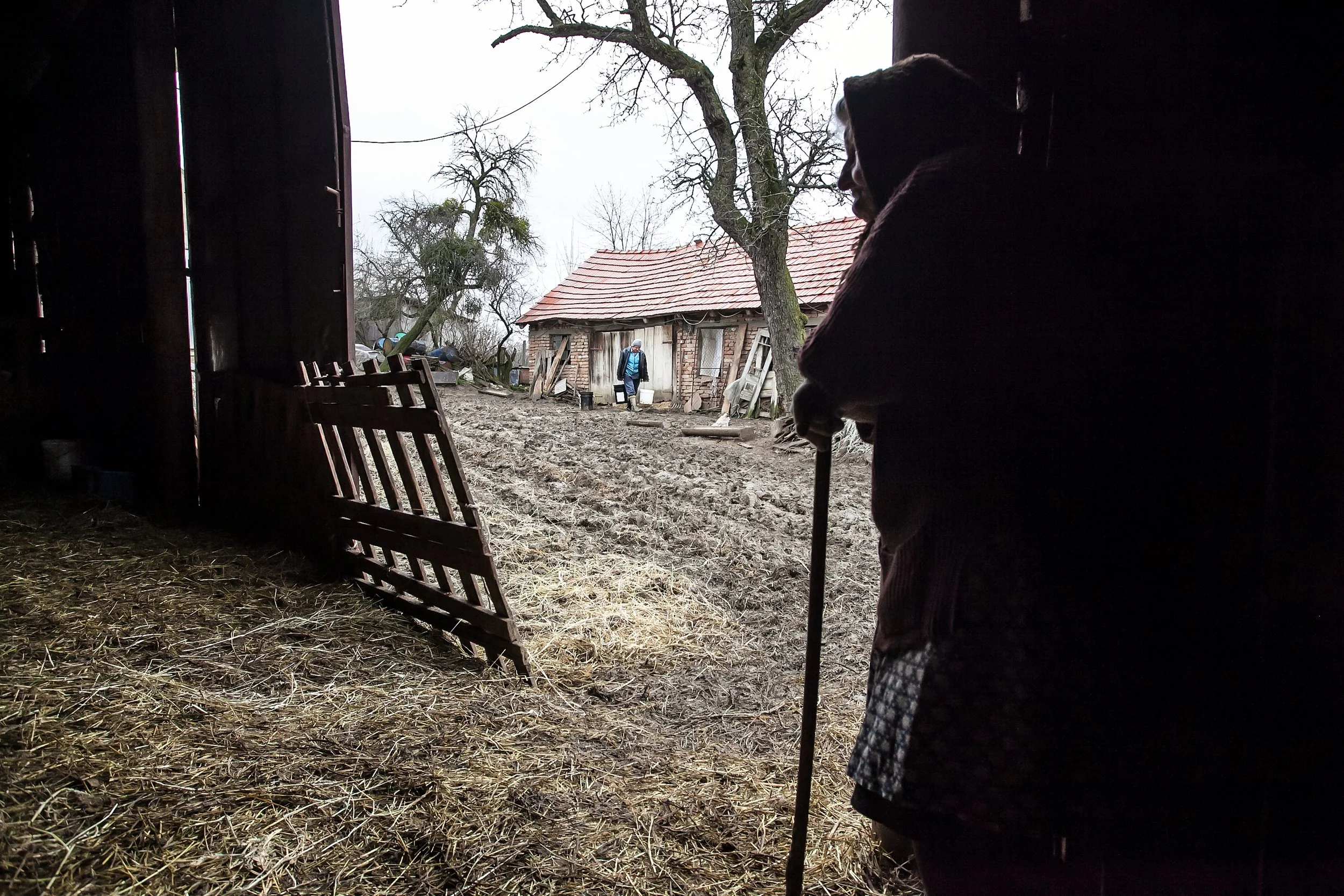
Fifty-six-year-old István Lakatos carries feed to his livestock. Iborfia, Hungary, 2016.
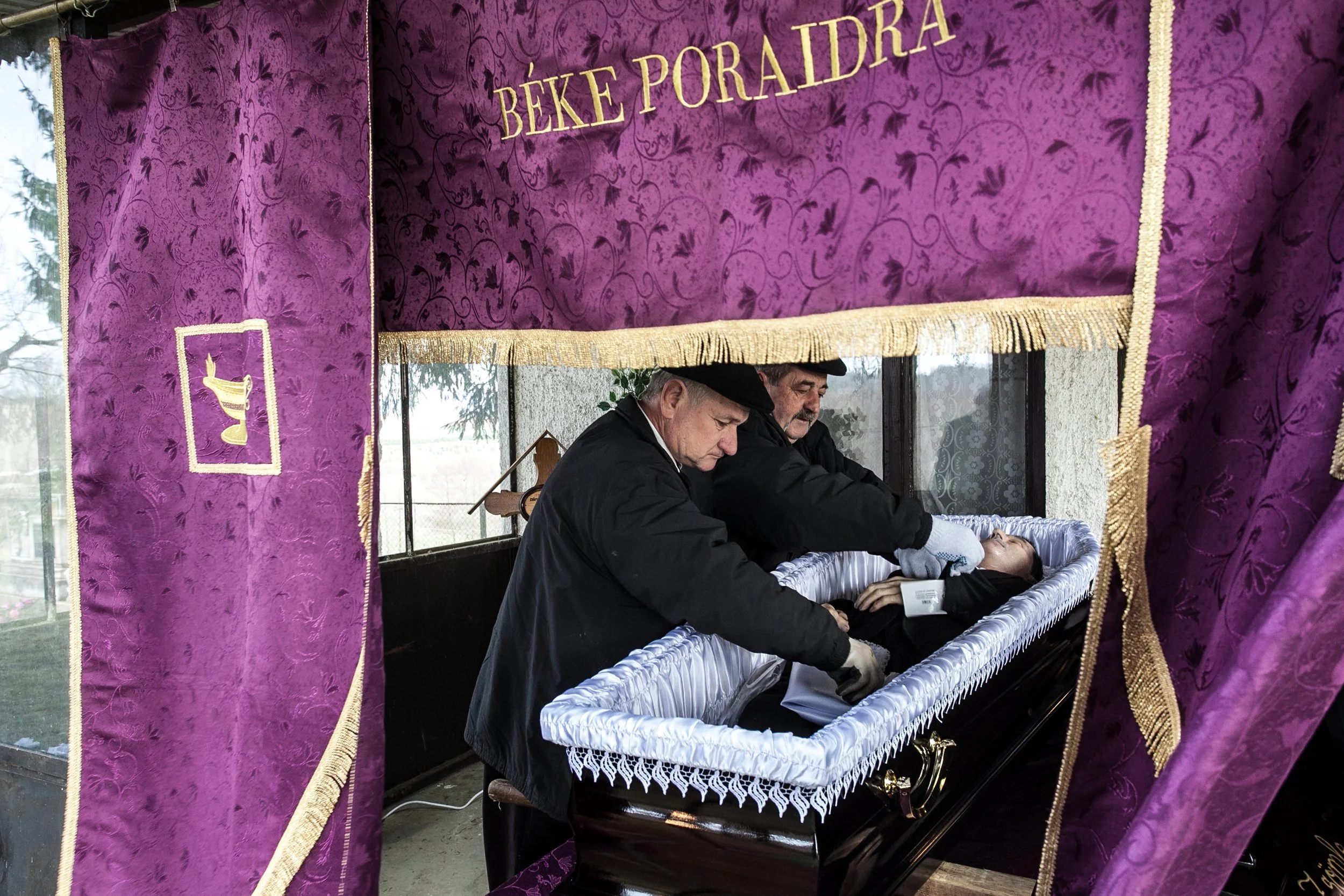
Tibor István Zsömle, who passed away at the age of 61, was a native of Iborfia. He was laid to rest in his home village on March 2, 2016. Iborfia, Hungary, 2016.
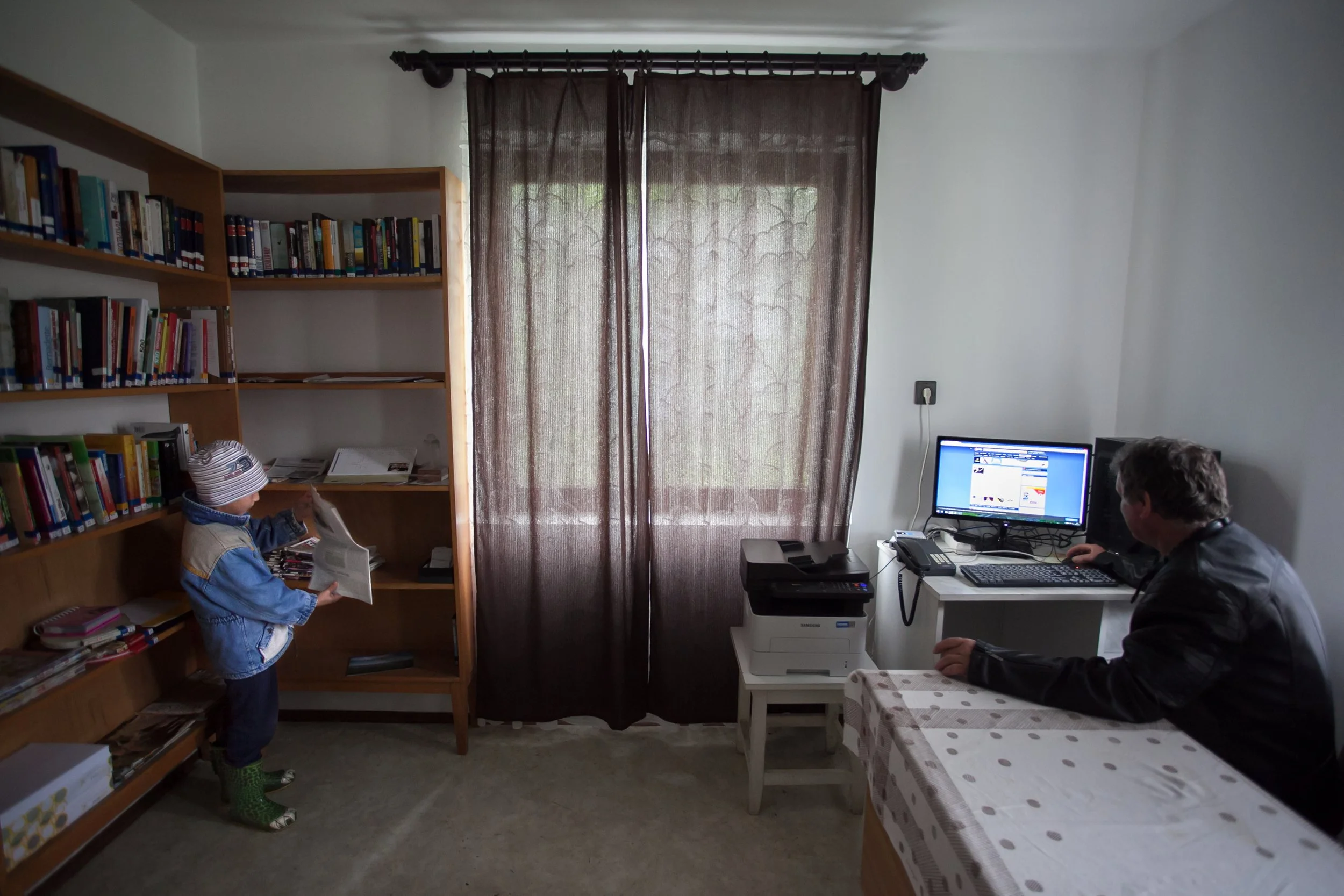
A library has been operating in Iborfia since as early as the 1960s. Occasionally, residents from the neighboring village of Gellénháza even cross over to borrow books. Iborfia, Hungary, 2016.
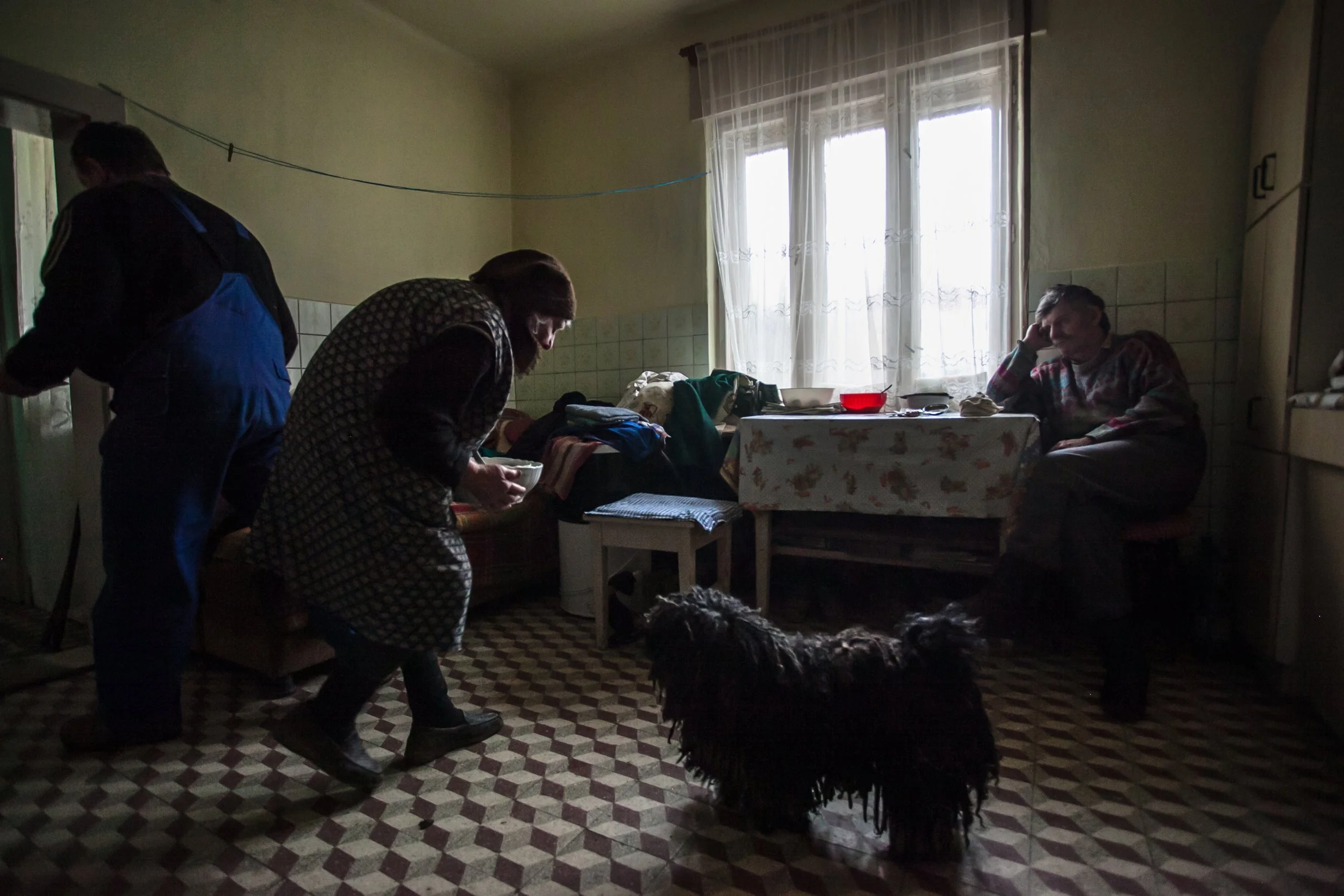
Eighty-one-year-old Aunt Veronika sets the table. Iborfia, Hungary, 2016.
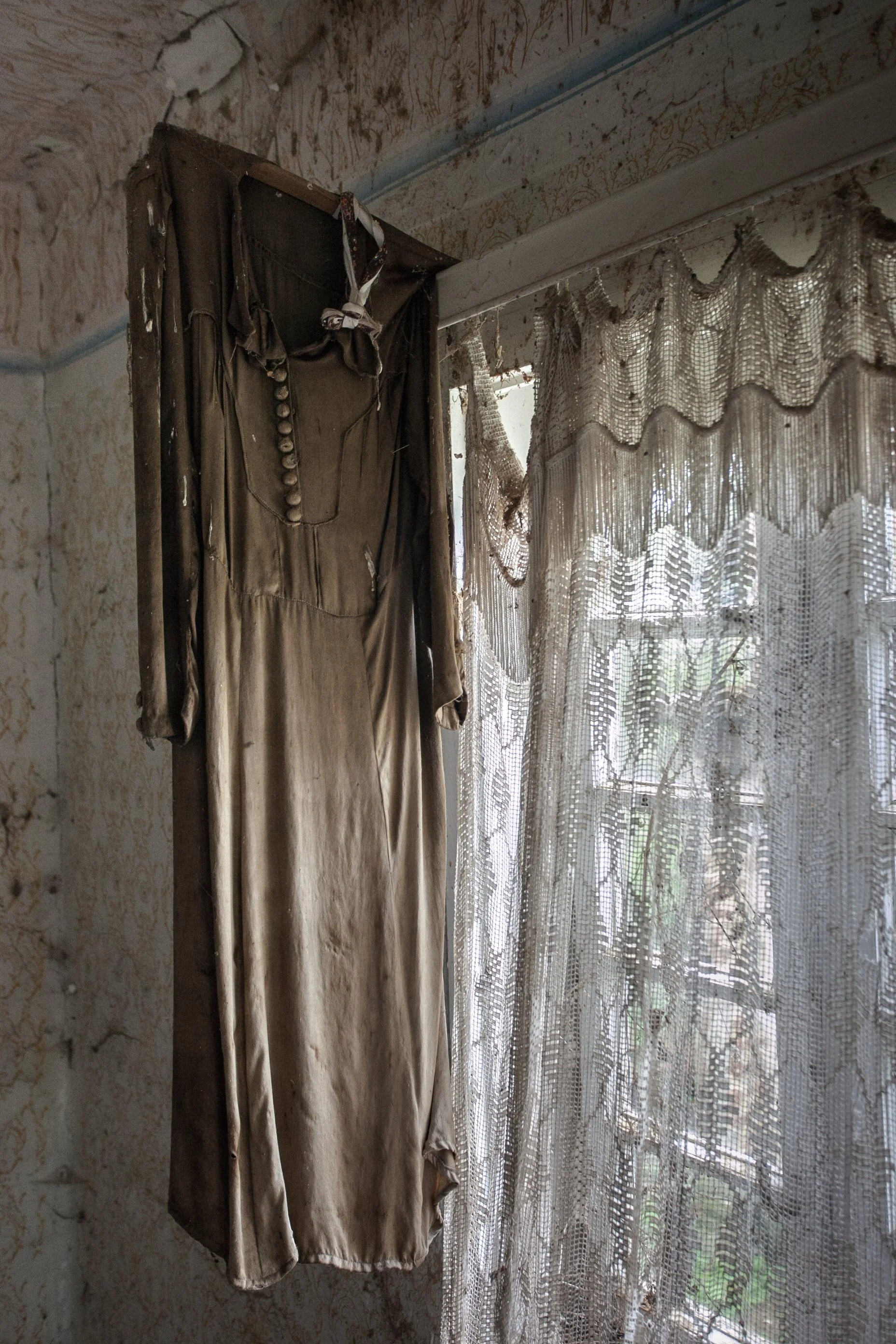
Abandoned house. Iborfia, Hungary, 2016.
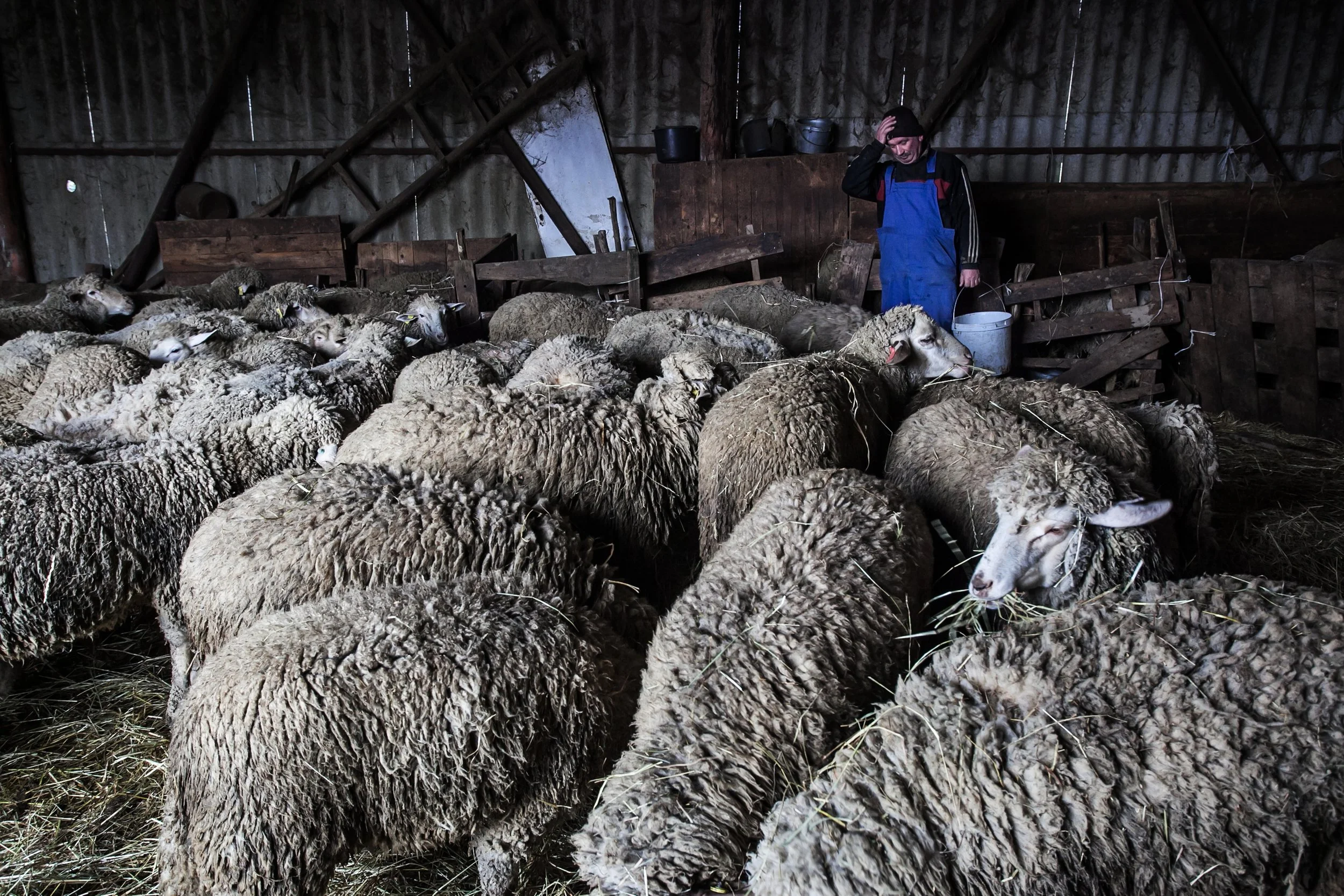
Fifty-four-year-old József Lakatos serves as the mayor of Iborfia. He works as a maintenance mechanic in Zalaegerszeg, while raising sheep on the side. Iborfia, Hungary, 2016.
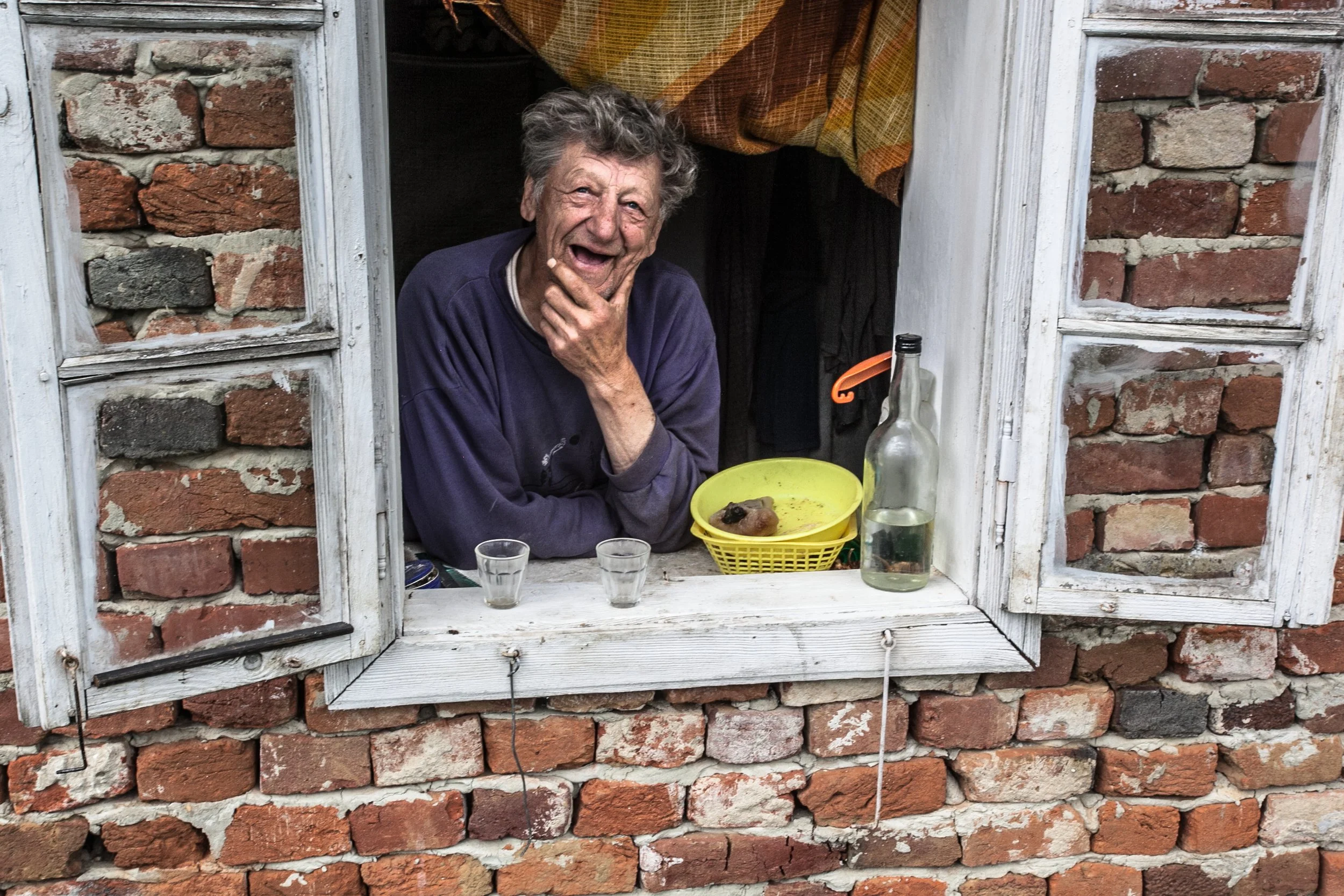
With no local pub in the village, residents here are self-sufficient, producing their own food. Gyula Móritz (77), a local council member, stands at the window of the house where he was born. His wife passed away 10 years ago. Iborfia, Hungary, 2016.
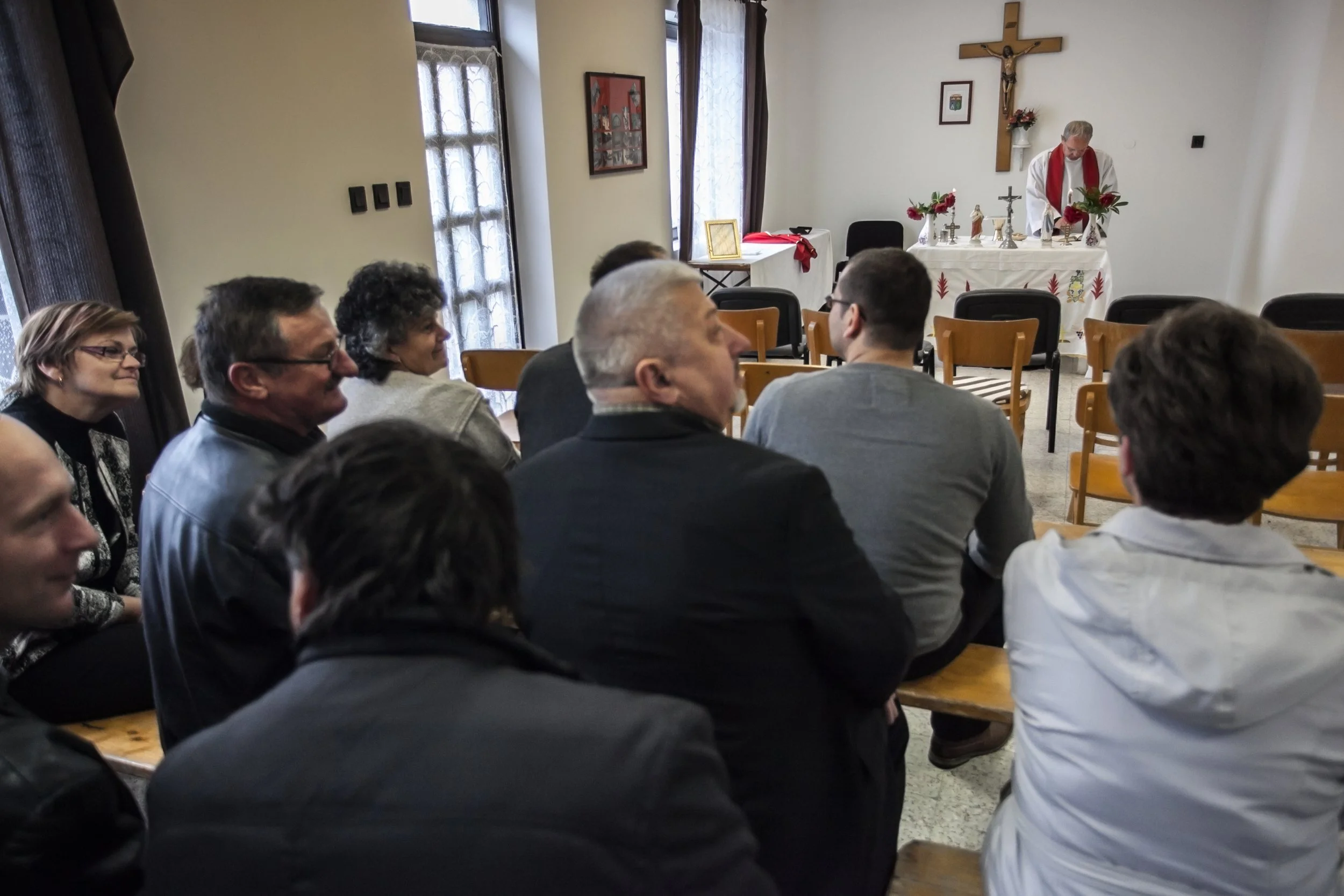
Once a year, at Pentecost, Mass is held in Iborfia’s community center. This is the time when those who once moved away for marriage or work return to their roots. Sadly, their numbers are dwindling year by year. Iborfia, Hungary, 2016.
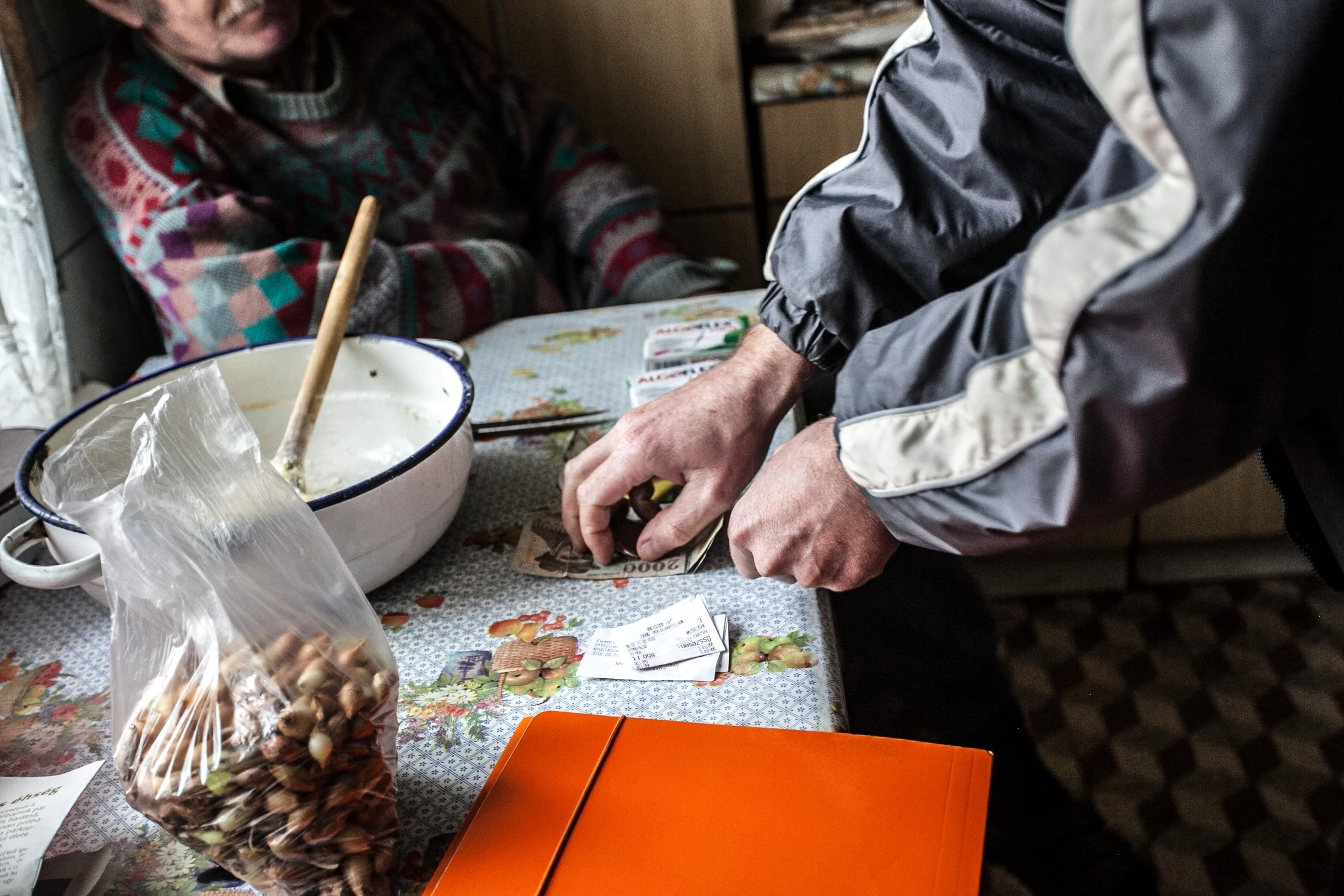
The village caretaker works eight hours a day, picking up prescriptions, buying groceries, and keeping in touch with the elderly. Iborfia, Hungary, 2016.
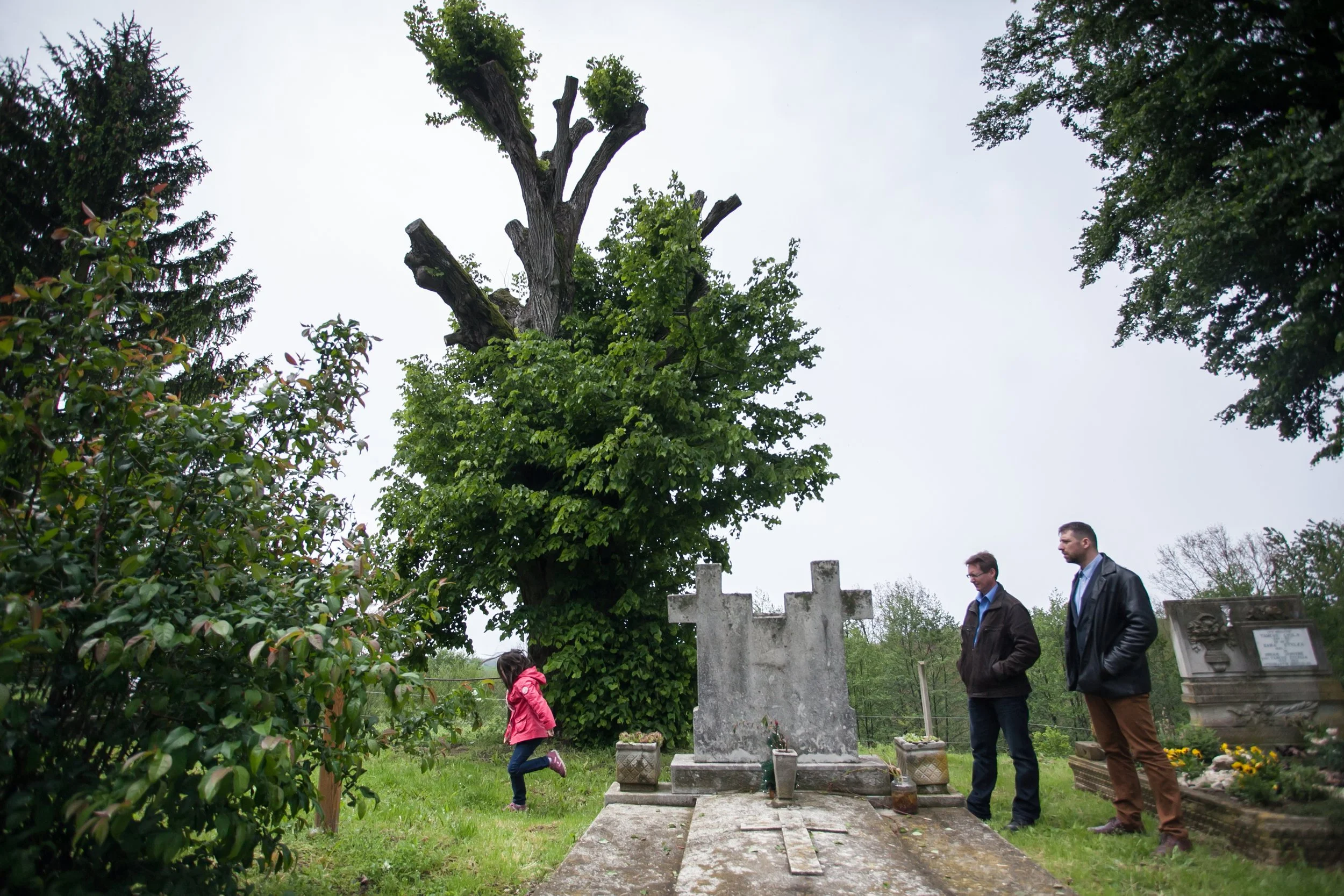
Szabolcs Soós (far right), along with his friend and young daughter, returns to his home village for Pentecost. His younger brother, Szabolcs, is laid to rest in the cemetery at the edge of the village. Iborfia, Hungary, 2016.
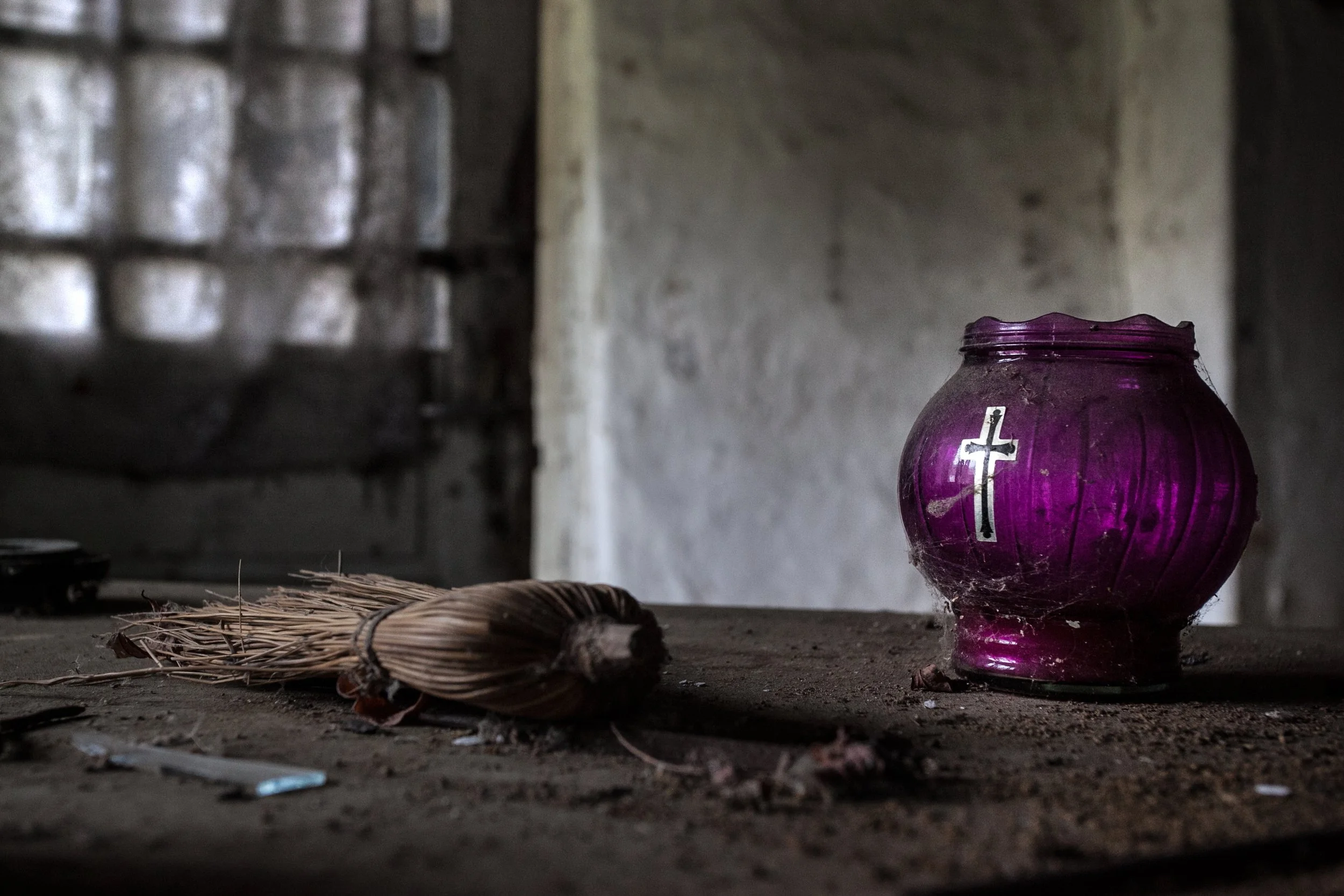
Abandoned house. Iborfia, Hungary, 2016.